
How to Source Silage Film from China: Supplier Evaluation, QC Checklist, and Shipping Guide
By JEDIRO Team

China is the world's largest producer and exporter of silage wrap film, with manufacturing concentrated in Shandong Province (particularly Qingdao, Weifang, and Zibo) and Hebei Province. For international buyers — distributors, agricultural cooperatives, and farm supply retailers — sourcing silage film from China offers significant cost advantages, but the quality range across Chinese manufacturers is wide. This guide provides a structured approach to evaluating suppliers, understanding production technology differences, and managing the procurement process from first inquiry to container delivery.
Why China Dominates Silage Film Production
China's position in global silage film supply is built on three structural advantages. First, the country has massive LLDPE resin supply infrastructure — both domestic production (Sinopec, PetroChina) and efficient import channels for premium grades (ExxonMobil Exceed, SABIC, Dow). Second, the concentration of blown film extrusion machinery manufacturers in China means equipment costs are lower, allowing more factories to enter production. Third, the proximity to major shipping ports (Qingdao, Shanghai, Ningbo) keeps logistics costs competitive for global distribution.
However, this low barrier to entry also means the quality spectrum is extremely wide. At the top end, Chinese manufacturers produce 5-layer blown co-extrusion silage film that matches or exceeds European-made product in performance. At the bottom end, factories produce thin, poorly-stabilized film using recycled content that fails within months of outdoor exposure. The buyer's job is to identify where on this spectrum a given supplier sits — and the rest of this guide explains how to do that.
Understanding Production Technology Tiers
The single most important technical differentiator among Chinese silage film manufacturers is the extrusion line configuration. This determines the fundamental quality ceiling of the product, regardless of what the supplier's spec sheet claims.
5-Layer Blown Co-Extrusion (Top Tier)
A 5-layer blown film line uses five separate extruders feeding into a single die head, producing a film where each layer serves a dedicated function. The typical layer assignment is: outer UV protection layer, oxygen barrier layer, structural strength layer, adhesion/tack layer, and inner sealing layer. This architecture allows the manufacturer to optimize each property independently without compromising others.
Manufacturers running 5-layer lines typically use named-brand equipment (Reifenhäuser, Windmöller & Hölscher, or high-end Chinese equivalents from Jinming or Guangdong Jinlai) and source virgin LLDPE resin from major petrochemical suppliers. The capital investment for a 5-layer line is significantly higher, which naturally filters for more serious, established manufacturers.
3-Layer Blown Co-Extrusion (Mid Tier)
A 3-layer line must combine functions into fewer layers, which means trade-offs. UV protection and oxygen barrier may share a single layer, or tack adhesion may be achieved through a surface treatment rather than a dedicated layer. The resulting film can still perform adequately for shorter storage periods (6–12 months), but typically shows faster degradation under extended UV exposure and less consistent oxygen barrier performance.
Cast Extrusion (Low Tier)
Cast extrusion produces film by extruding onto a chilled roller rather than blowing a bubble. Cast film has different molecular orientation than blown film — it tends to have higher clarity but lower puncture resistance and tear strength. For silage wrap applications where mechanical toughness and stretch recovery are critical, cast film is generally inferior to blown film. Some low-cost Chinese suppliers use cast lines because the equipment is cheaper, but the product is not suitable for demanding silage storage applications.
Supplier Evaluation Framework
When evaluating a Chinese silage film supplier, work through the following criteria systematically. A supplier that scores well across all six areas is likely to deliver consistent product; a supplier that fails on even one criterion should be approached with caution.
1. Production Equipment Verification
Ask the supplier to identify their extrusion line — brand, model, number of layers, and year of installation. A reputable manufacturer will answer this immediately because their equipment is their competitive advantage. If a supplier cannot or will not name their equipment, treat this as a significant red flag.
If possible, request a factory visit or a video walkthrough of the production line. Look for: the number of extruder hoppers feeding the die (this confirms layer count), the die head configuration, the bubble cooling system, and the winding equipment. A well-maintained line with consistent film quality will show clean, organized production — not improvised setups.
2. Raw Material Sourcing
The resin grade used in silage film directly determines its mechanical properties, UV stability, and tack performance. Ask the supplier which resin grades they use and from which supplier. Premium manufacturers use metallocene LLDPE (mLLDPE) grades from ExxonMobil (Exceed or Enable series), Dow (Elite or Affinity), or SABIC. Mid-tier manufacturers may use conventional LLDPE from Sinopec or PetroChina, which performs adequately but with less consistency in tack and stretch properties.
The critical red flag is undisclosed recycled content. Some low-cost manufacturers blend recycled polyethylene into the film to reduce material costs. Recycled content degrades UV stability, reduces elongation at break, and creates inconsistent tack. A supplier should be able to provide a material declaration confirming 100% virgin resin content if that is what they claim.
3. Quality Certification and Test Data
For silage film specifically, the most relevant quality evidence is third-party laboratory test reports covering: tensile strength (MD and TD), elongation at break, oxygen transmission rate (OTR), UV aging retention (residual tensile after accelerated aging), and tack/cling force. Ask for reports from an independent lab — not the supplier's own internal QC department.
ISO 9001 certification indicates that the factory has a documented quality management system, but it does not directly verify product performance. It is a necessary but not sufficient quality indicator. A supplier with ISO 9001 plus independent product test reports is significantly more credible than one with ISO 9001 alone.
4. Pre-Shipment Inspection Process
A reliable supplier will have a documented pre-shipment inspection process that checks every container before it leaves the factory. The inspection should cover: roll dimensions (width, length), roll weight, film thickness (measured with a micrometer at multiple points), tack performance (qualitative check), and packaging integrity.
Ask whether the supplier allows third-party inspection (e.g., SGS, Bureau Veritas, or TÜV) before shipment. A supplier that refuses third-party inspection is a significant risk — they may be hiding inconsistencies between sample quality and production quality.
5. Export Documentation and Experience
An experienced exporter will provide: commercial invoice, packing list, Bill of Lading, certificate of origin, and fumigation certificate (for wooden pallets). They should be familiar with Incoterms (FOB, CIF, CFR) and able to quote on your preferred terms. Ask for references or copies of previous B/L documents (with customer names redacted) to verify export history.
A factory that has never exported directly may struggle with documentation, port logistics, and customs requirements — adding risk and potential delays to your order.
6. Sample Evaluation
Always request samples before placing a production order. The sample should come from the same production line and use the same resin grade as the production order. Test the sample in your own conditions — run it through your wrapper, check tack adhesion, verify stretch performance, and if possible conduct a short outdoor aging test.
Be wary of suppliers who send "special" samples that do not represent their standard production. Ask for the sample to be cut from a standard production roll, not a specially-prepared batch.
Shipping and Logistics
Silage film is typically shipped in 20-foot or 40-foot containers from Chinese ports. The most common ports of loading for Shandong-based manufacturers are Qingdao and Shanghai. Key logistics considerations include:
Container Loading
Standard 750mm × 1500m silage wrap film rolls (approximately 26 kg each) typically load 18 pallets per 20-foot container, with pallet configurations varying by roll width. The supplier should provide a container loading plan showing roll count, pallet configuration, and total weight to ensure you are maximizing container utilization.
Packaging for Sea Freight
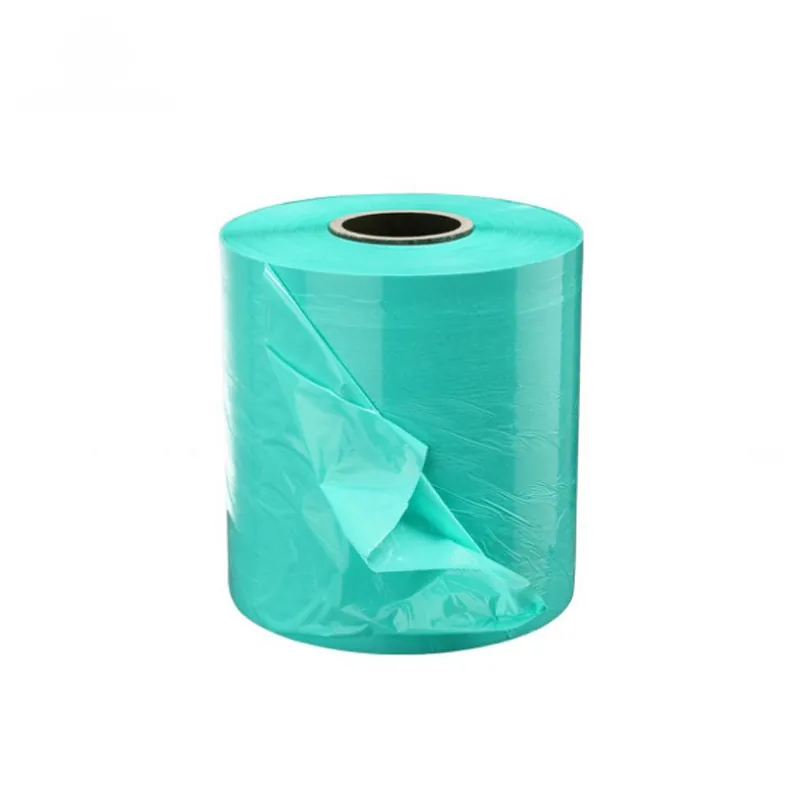
Silage film must be protected from moisture and physical damage during the 2–5 week sea voyage. Standard export packaging includes: shrink-wrapped pallets, cardboard edge protectors, and moisture-absorbing desiccant packets inside the container. Some suppliers also offer individual roll wrapping in PE bags for additional protection.
Transit Times
From Qingdao or Shanghai to major destination ports: Europe (Hamburg, Rotterdam) approximately 30–35 days; Australia (Melbourne, Sydney) approximately 18–22 days; North America West Coast (Los Angeles, Vancouver) approximately 14–18 days; North America East Coast (New York, Savannah) approximately 30–40 days.
Common Pitfalls and How to Avoid Them
Pitfall 1: Buying on Price Alone
The cheapest silage film from China is cheap for a reason — typically thinner than declared, made with recycled content, and produced on inferior equipment. A roll that costs 15–20% less but fails after 6 months of UV exposure costs far more than the savings when you factor in spoiled silage and customer complaints. Evaluate total cost of ownership, not just FOB price per roll.
Pitfall 2: Accepting Spec Sheets at Face Value
Any supplier can write "25μm, 5-layer, 18-month UV" on a spec sheet. Without independent verification (lab reports, samples, factory audit), these claims are unverifiable. Always request evidence behind the claims — and be suspicious of suppliers who cannot provide it.
Pitfall 3: Skipping the Sample Stage
Production orders of silage film represent significant capital (a single 20-foot container is typically USD 15,000–25,000 FOB). Spending 2–4 weeks evaluating samples before committing to production is a small investment that prevents much larger losses from receiving unsuitable product.
Pitfall 4: Ignoring Packaging Quality
Silage film that arrives with damaged edges, moisture contamination, or deformed rolls from poor packaging is unusable — even if the film itself is good quality. Specify packaging requirements in your purchase order and inspect the first shipment carefully to establish a baseline.
Working with JEDIRO
For a broader view of how China's silage film industry is structured — including production geography, quality tiers, and export trends — see our companion article: China Silage Film Industry Overview. For technical guidance on choosing the right film specification, our thickness guide and 5-layer vs 3-layer comparison provide detailed analysis.
JEDIRO manufactures silage wrap film using 5-layer blown co-extrusion technology at our production facility in Shandong Province, China. Our silage film uses 100% virgin LLDPE resin and delivers 18 months of UV protection with a high oxygen barrier for optimal fermentation. We provide pre-shipment inspection reports on every container, accept third-party inspection, and ship FOB from Qingdao and Shanghai ports.
For buyers evaluating Chinese silage film suppliers, we offer free samples from our standard production runs — not specially-prepared batches. Our team responds to inquiries within 24 hours with detailed specifications, pricing, and container loading plans. Whether you are placing your first trial order or scaling to regular container volumes, we provide the documentation, quality evidence, and logistics support that professional international buyers expect.
Frequently Asked Questions
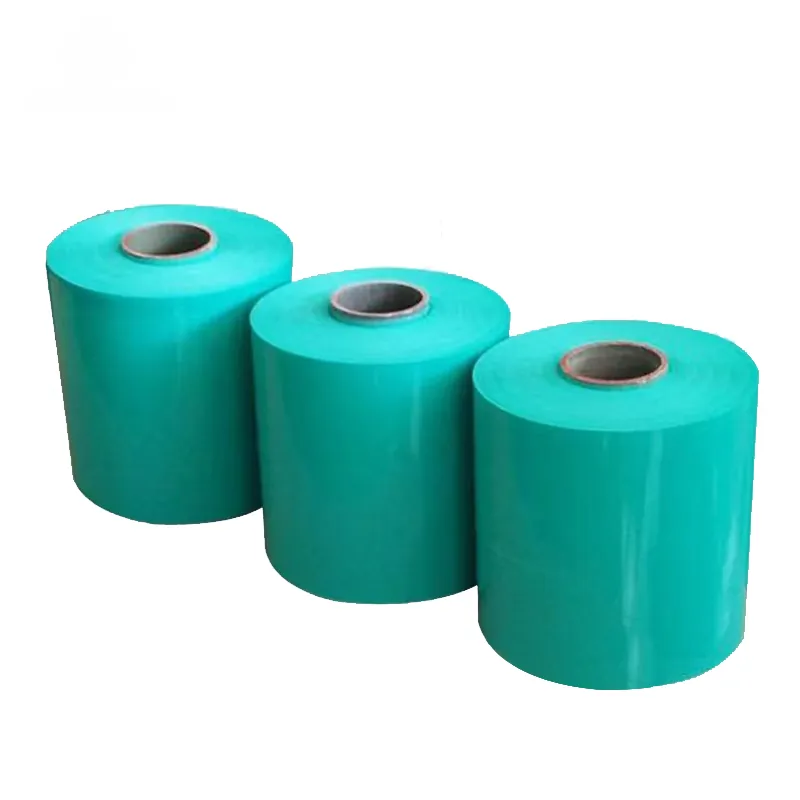
Featured Product
JEDIRO Silage Wrap Film — Factory Direct from Qingdao, China
5-layer LLDPE blown film co-extrusion. 18-month UV protection, high oxygen barrier, compatible with all standard round bale wrappers. Pre-shipment inspection on every container. Request a sample or quote.
Related Articles


Share this article
JEDIRO Team
We manufacture bale net wrap, silage wrap film, and cotton wrap film for global agricultural markets. Learn more about us →